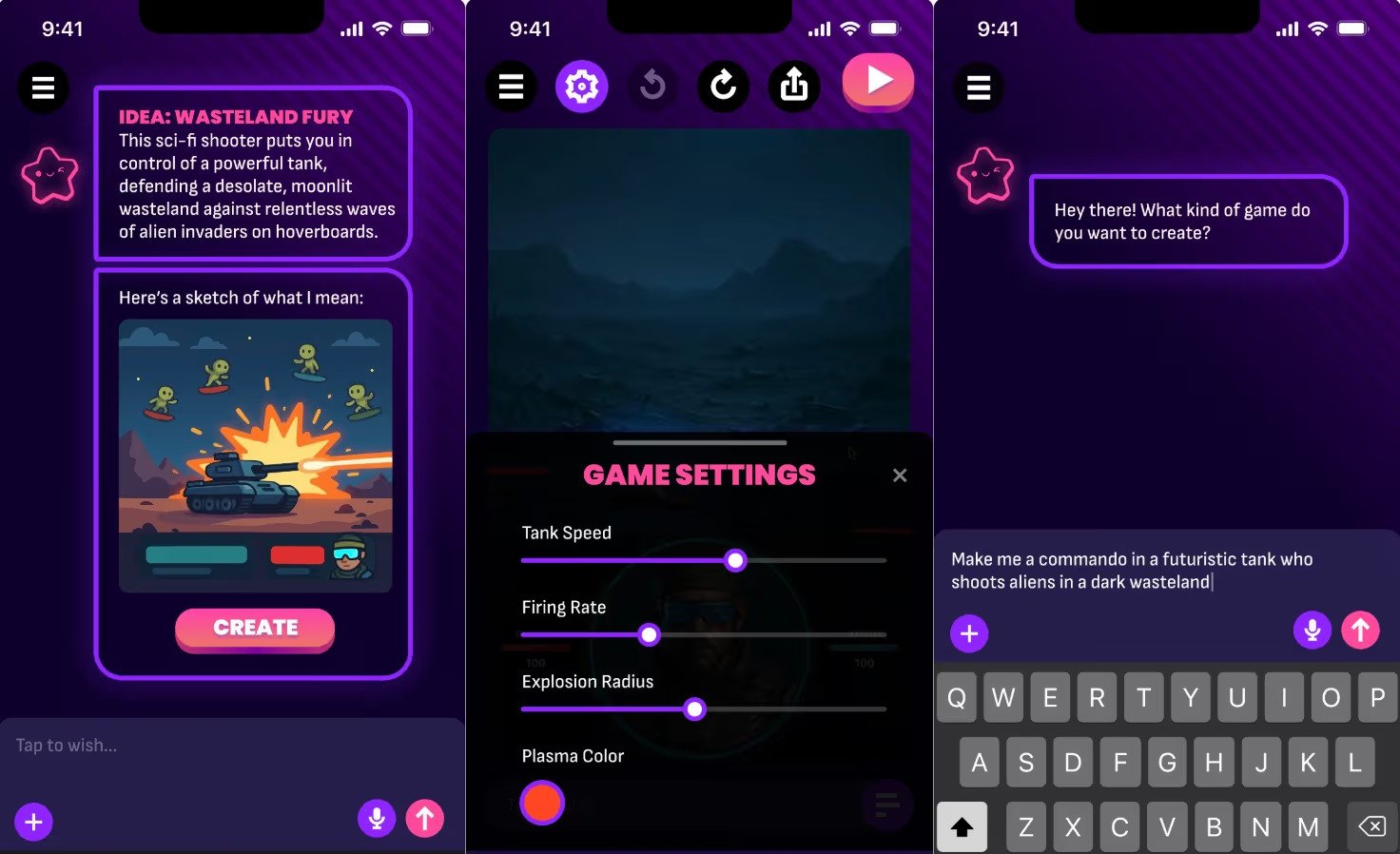
The ultimate bottleneck in the modern digital economy is no longer the ability to build an interactive product; it is the ability to retain a specific pocket of human attention. Now that anyone can utilize an intelligent game maker online to synthesize a functioning level using a basic text description, the global repository of web-based digital experiences has grown incredibly crowded. A creator can easily type a prompt, publish a working loop, and pull in a brief spike of casual traffic from the platform’s main dashboard. However, if those casual visitors exit the page after two minutes and never return, that initial traffic spike is entirely hollow.
True, long-term creative sustainability requires shifting your primary operational metric away from anonymous, one-off click counts and focusing entirely on conversion volume—the percentage of unique players who choose to intentionally subscribe to your creator network. To achieve this compounding growth, top-tier creators are executing a highly calculated development strategy: genre hyper-specialization. By claiming absolute topical authority over a singular, deeply focused style of gameplay, you can use the platform’s social framework to turn an unorganized group of casual players into a thriving, self-sustaining micro-community.
Why Genre Specialization is an Algorithmic Necessity
The most common creative error beginner creators commit when entering a prompt-driven environment is jumping wildly between completely unrelated concepts. They write a text prompt for a pixelated dungeon crawler on Monday, a cinematic sci-fi vehicle simulator on Wednesday, and a slow-paced visual novel on Saturday. While this variety is a fantastic way to personally experiment with prompt layering, it is a disastrous way to construct a loyal digital fanbase.
When a user uncovers a game they deeply enjoy and clicks on the developer’s profile to see what else they have built, they are looking for a clear, predictable thematic promise. If they love your precision physics puzzle, they are clicking through because they want more precision physics puzzles. If they find an unorganized archive of conflicting genres, they will experience cognitive friction and exit the page without hitting the follow button.
Hyper-focusing on a single niche unlocks several massive, systemic growth advantages:
- Training the Recommendation Engine: Modern content discovery algorithms analyze player behavior patterns down to the millisecond. If your portfolio consistently outputs high-quality interactive projects within one specific mechanical category, the platform quickly figures out your exact creative profile. The engine can then confidently push your new links directly to the feeds of users who are statistically guaranteed to love that exact style of play, yielding high-velocity organic traffic.
- The Power of Lowered Cognitive Overhead: When you establish a clear creative lane, you do not have to spend hours agonizing over what kind of project to build next. Your niche outlines your boundaries, allowing you to channel your entire imaginative energy into innovating within those defined parameters.
- Compounding Baseline Traffic: Every time you add a new entry to a specialized catalog, you aren’t starting your marketing campaign back at zero. Your growing list of followers receives an immediate notification. This means your baseline player count rises naturally with every single release, providing a permanent, built-in audience for everything you create.
Deconstructing High-Frequency Arcade Sports Mechanics
To understand how this specialization translates into real-world momentum, look at the casual, endless physics-based sports market. Consider an experience like Infinity Frisbee, a fast-paced, high-stakes athletic simulation where players must navigate a spinning aerodynamic disc through a rapidly compounding gauntlet of moving environmental hazards, variable wind currents, and narrow structural pathways.
If a creator treats a concept like this as a standalone, isolated release, they miss the entire community-building opportunity. An advanced, brand-focused creator recognizes that a highly responsive, satisfying physical mechanic is not just a single game—it is the foundational engine for an entire interactive ecosystem.
Once your audience confirms that the physical sensation of throwing, tilting, and dodging feels perfectly balanced and responsive, you can use the platform’s social loop to steadily expand the universe. You can deploy a direct sequel that introduces kinetic wind tunnels that alter the disc’s trajectory mid-flight, followed by a tactical spin-off that forces players to ricochet the projectile off specific surface materials to unlock exit portals.
Because your profile’s followers are explicitly addicted to the exact mechanical rhythm you have perfected, every new variation you drop functions as a major event within your micro-community, keeping your leaderboard metrics permanently active.
Turning Social Mechanisms Into a Live Collaborative Studio
True micro-communities are never built through a one-way, top-down broadcast model. The creators who consistently dominate the trending algorithms are those who treat their follower network as a decentralized, live-action playtesting group. By creating a transparent, real-time feedback loop between your design pipeline and your players, you forge a deep sense of shared ownership that keeps users fiercely loyal to your profile.
- Deconstruct Analytics as Behavioral Prompts: Do not just look at your player counts as simple numbers; analyze them as design feedback. If your community data indicates that seventy percent of your users are quitting the game at a specific early hurdle, the machine is telling you your entry curve is too harsh. Use the speed of text-to-game development to immediately adjust your instructions—broaden the opening pathways or slow down initial obstacle speeds, then push the live update out in minutes.
- Gamify the Feedback Loop: Actively encourage your followers to leave specific feature requests in your community notes. Ask them what kind of obstacle variations or thematic backdrops they want to see next. When a user sees that their written suggestion directly inspired a major gameplay mechanic in your next release, they stop viewing themselves as a passive customer and start acting as an active ambassador for your brand.
- Harness the Viral Nature of the Remix: The built-in clone and remix engine is your absolute best tool for community multiplication. Challenge your top players to clone your baseline mechanics framework and design their own custom obstacle layouts. By hosting regular design competitions where you officially play, review, and highlight the most creative follower-made variations, you turn your profile into the ultimate central hub for an entire subculture.
Crafting the Unbreakable Digital Retention Loop
To convert a casual player into a permanent, highly active follower, you must design your games with intentional psychological touchpoints that guide the user directly toward your profile. The initial hook of your gameplay loop will capture their attention for a few minutes, but the structure of your onboarding and exit loops is what determines long-term authority.
- Maintain Input Sanctity Across Your Catalog: When building a specialized series of games, your control configurations must remain completely sacred. If a user opens your latest release and finds that the weight, timing, or movement responsiveness feels completely different from your previous entries, the muscle memory they have spent hours developing becomes useless. Keep the baseline physical handling pristine so they can transition from one title to the next with zero friction.
- Institutionalize Leaderboard Prestige: Humans possess an inherent, powerful drive for social status within competitive environments. Capitalize on this by making your top community performers feel like absolute legends. Dedicate space in your game descriptions to officially archive the names and record times of your high-score champions. When beating one of your maps carries real social prestige within a niche community, hardcore players will dedicate dozens of consecutive hours to mastering your mechanics.
- Design a Frictionless Endpoint Call-to-Action: Never leave a player stranded on a blank screen when their run concludes. The exact second a game-over screen triggers or a victory animation ends is the moment of maximum user engagement. Ensure your design framework automatically embeds a clear, compelling directive guiding them to hit the follower button, explore your profile, and dive straight into the next challenge in your catalog.
The transition from a standard, anonymous content creator to a high-influence platform authority depends entirely on how effectively you construct a home for your audience. By ignoring the urge to chase every passing trend, identifying a singular mechanical niche, and leveraging the rapid, text-driven power of modern social creator tools, you can establish an unshakeable digital kingdom. Find your signature mechanic, refine your instructions with absolute discipline, and start cultivating an active global community that will proudly support your creative universe across every new frontier you choose to build.